
 See My Latest Article on HelloNation
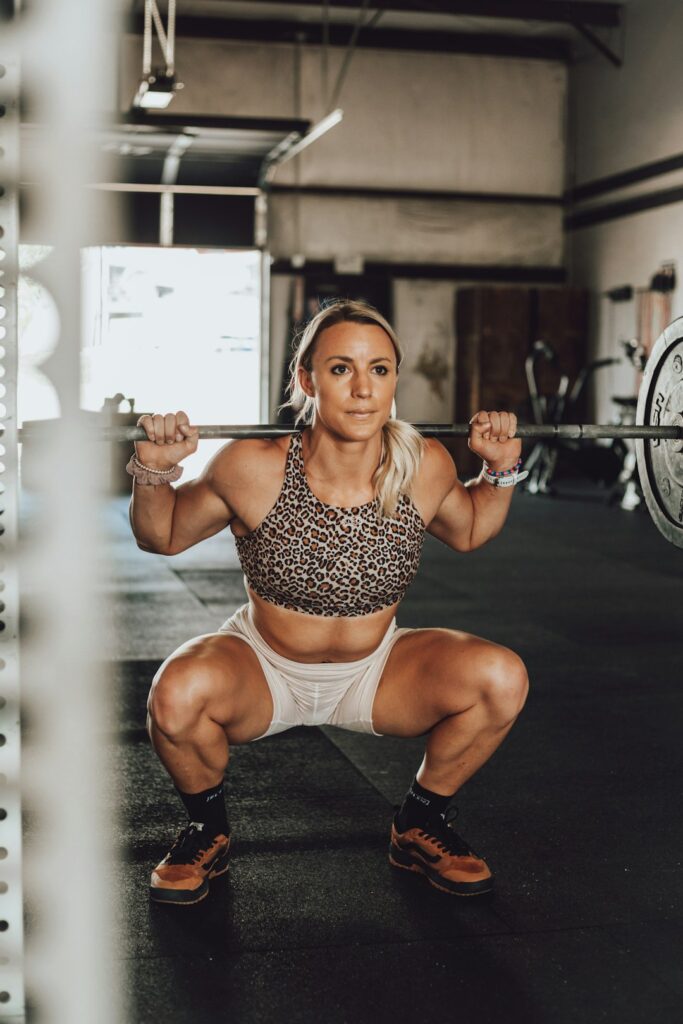
Starting a bodybuilding routine is less about choosing the most advanced exercises and more about creating a plan that can be repeated consistently. Beginners in Atlanta, GA often need a routine that works around changing schedules, warm weather, limited home space, and the practical challenge of recovering well between sessions.
A useful beginner plan should train all major muscle groups, use manageable exercise volume, and increase difficulty gradually. The goal during the first several months is to build movement skill, strength, work capacity, and a habit of regular training.
How many days per week should a beginner lift?
Most beginners should begin with two or three resistance-training sessions per week. Training the whole body during each session is usually more effective than assigning one muscle group to each day because it gives beginners repeated practice with basic movements.
A simple schedule might look like this:
- Monday: full-body workout
- Wednesday: full-body workout
- Friday or Saturday: full-body workout
Rest days do not have to mean complete inactivity. Walking, gentle mobility work, or easy cycling can support recovery without adding significant fatigue.
For someone starting with only two weekly sessions, each workout can use the same general movement categories while changing a few exercises. Three weekly sessions allow slightly more practice and volume, but additional days are not automatically better.
What exercises belong in a beginner bodybuilding routine?
A balanced program should include exercises that train the following movement patterns:
- Squat or leg press pattern for the thighs and hips
- Hip-hinge pattern for the hamstrings, glutes, and lower back
- Horizontal push for the chest, shoulders, and triceps
- Horizontal pull for the upper back and biceps
- Vertical push for the shoulders and arms
- Vertical pull for the back and arms
- Core stabilization for the trunk
A beginner workout could include:
1. Goblet squat or controlled bodyweight squat
2. Dumbbell Romanian deadlift
3. Dumbbell bench press or elevated push-up
4. Seated cable row or supported dumbbell row
5. Dumbbell shoulder press
6. Lat pulldown or assisted pull-up
7. Plank or dead-bug variation
Not every exercise must appear in every session. Seven movements may be reasonable for a full-body workout, while a shorter session could use one exercise from each major category.
Machines, dumbbells, barbells, resistance bands, and bodyweight exercises can all work. The equipment matters less than using a safe range of motion, controlling the movement, and gradually improving performance.
How many sets and repetitions should beginners use?
A practical starting point is two working sets per exercise for approximately 8 to 12 repetitions. Some movements, such as squats or deadlifts, may be performed comfortably in the 6-to-10-repetition range, while smaller movements such as curls or lateral raises may work well for 10 to 15 repetitions.
The first set should not be treated as a test of maximum strength. Select a weight that allows several good repetitions to remain available at the end of the set. This is sometimes described as leaving two or three repetitions in reserve.
For example, if a person could complete 15 controlled repetitions but stops at 10, the set is challenging without requiring maximum effort. This approach helps beginners learn technique and reduces unnecessary soreness.
Rest periods of about one to three minutes are generally appropriate. Larger, demanding movements usually require more rest than smaller isolation exercises.
How should the routine progress?
Progressive overload means gradually increasing the training demand over time. This can be done by adding repetitions, increasing weight, improving control, or performing an additional set.
A simple method is the repetition range system:
- Choose a range such as 8 to 12 repetitions.
- Use the same weight until all working sets reach 12 controlled repetitions.
- Increase the weight slightly during the next session.
- Return to the lower end of the range and build upward again.
The increase does not need to be dramatic. A small adjustment is often enough, especially for exercises involving the shoulders or smaller muscle groups. If form becomes unstable, the weight is too heavy for the current goal.
Beginners should record exercises, sets, repetitions, and weights. A training log makes progress easier to recognize and prevents workouts from becoming random.
How long should a beginner workout last?
Most full-body sessions can be completed in approximately 45 to 70 minutes. A warm-up may take 5 to 10 minutes, followed by the main exercises and brief rest periods.
A useful warm-up includes:
- Several minutes of easy movement that raises body temperature
- Gentle mobility for joints involved in the workout
- One or two lighter practice sets before the first demanding exercise
Long stretching sessions are not required before lifting. More intense static stretching can be saved for after training or for a separate mobility session.
In Atlanta, hot and humid conditions can make workouts feel harder, particularly during warmer months or in poorly ventilated spaces. Training earlier or later in the day, drinking fluids regularly, and allowing extra rest can make sessions more comfortable. Sweating heavily does not necessarily mean a workout was more productive.
What should beginners eat to support muscle growth?

Muscle development depends on training, adequate food, sleep, and time. Beginners do not need a complicated diet, but meals should provide sufficient protein, carbohydrates, healthy fats, and fluids.
Protein-rich foods may include eggs, poultry, fish, dairy foods, beans, lentils, tofu, and other protein-containing options. A meal with protein and carbohydrates several hours before training can support energy. After training, a normal balanced meal is usually adequate.
Someone trying to gain muscle may need to eat slightly more than usual. However, rapid weight gain often includes unnecessary body fat. A gradual increase in body weight, paired with improving strength and stable energy, is a more useful target.
Hydration deserves attention in warm conditions. Water intake should increase with heat, sweat, activity duration, and individual needs. Very long or unusually sweaty sessions may also require attention to electrolytes through ordinary meals and beverages.
How much recovery is necessary?
Beginners commonly underestimate recovery. Muscle groups can feel ready before the nervous system, connective tissues, or overall energy levels have fully recovered.
Aim for consistent sleep, regular meals, and at least one day between challenging full-body workouts. Mild soreness is common, but severe soreness that changes movement or lasts several days is a sign to reduce volume or intensity.
Other warning signs include:
- Persistent joint pain
- Repeated declines in strength
- Unusual fatigue or dizziness
- Poor sleep after hard training
- Loss of interest in normal activities
Pain that is sharp, worsening, or associated with swelling should not be treated as ordinary training soreness. A qualified health professional can help evaluate symptoms when safety is uncertain.
What mistakes should beginners avoid?
The most common problems are usually related to doing too much too soon.
Beginners should avoid:
- Changing the routine every week
- Testing maximum lifts before learning technique
- Training through sharp pain
- Adding weight while losing control of the movement
- Treating soreness as proof of a successful workout
- Ignoring legs, back, or core work
- Copying an advanced lifter’s volume
- Expecting visible changes after only a few sessions
A routine should remain mostly stable for at least several weeks. Repetition allows technique to improve and provides enough consistent information to judge whether the plan is working.
How can a beginner adjust the routine over time?
After six to eight weeks, review performance, recovery, and enjoyment. If strength is improving and soreness is manageable, continue gradually adding repetitions or weight. If progress has stalled, check sleep, food intake, exercise technique, and whether the routine includes too much volume.
A person with limited time can use four or five exercises per session. Someone training at home can substitute resistance bands, adjustable dumbbells, a sturdy bench, or controlled bodyweight movements. The most effective routine is one that fits the available space, schedule, equipment, and recovery ability.
Bodybuilding progress is built through repeated, reasonably challenging sessions rather than occasional extreme workouts. A beginner who trains consistently, records progress, eats adequately, and allows recovery can develop a strong foundation without needing a complicated plan.